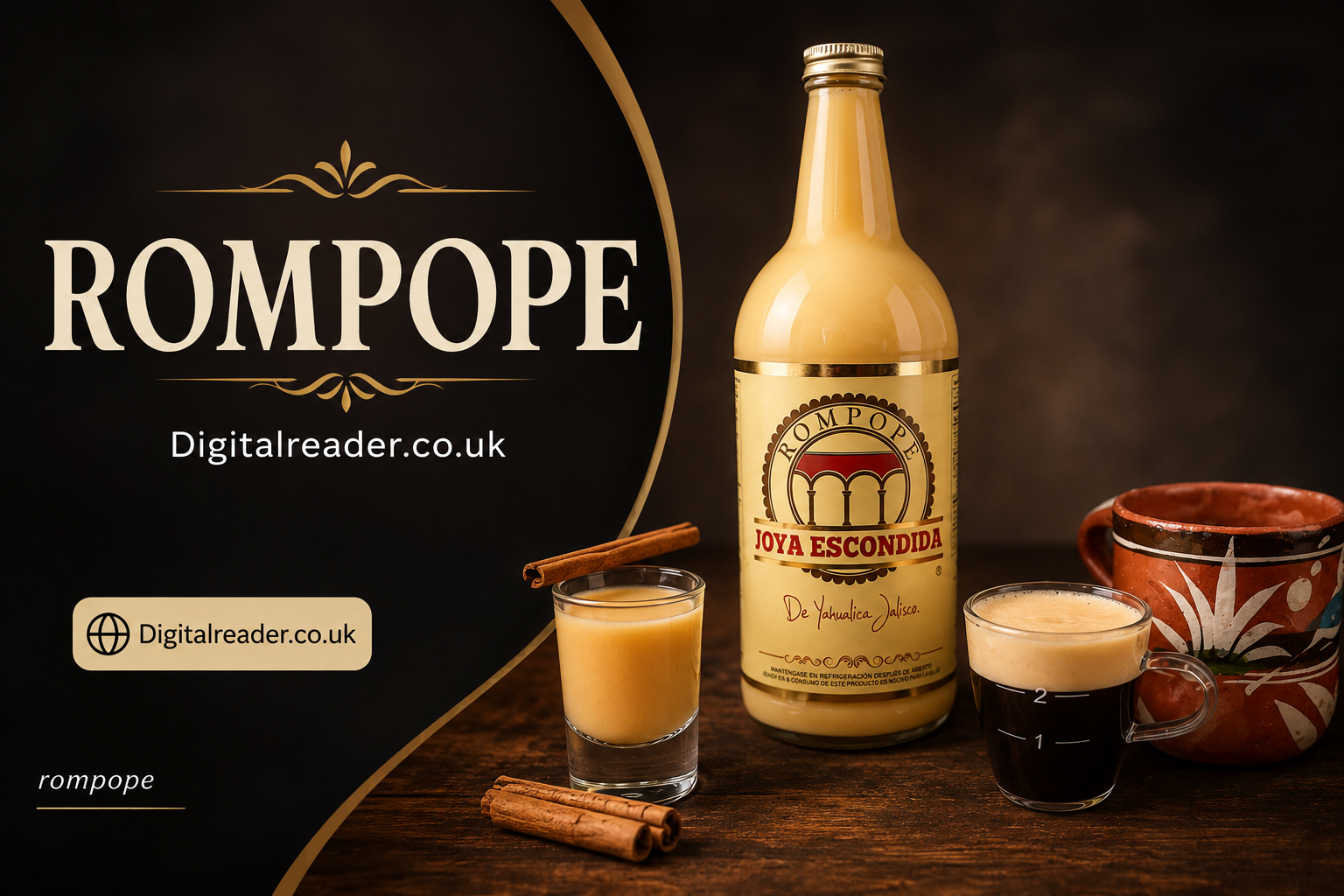
If you’ve ever wandered a Mexican grocery aisle in December and spotted a bright yellow bottle labeled “Rompope,” you’ve probably had one of two reactions: curiosity, or confusion about what you’re actually looking at.
Is it a liqueur? A dessert topping? Eggnog’s Mexican cousin?
The truth is, most people searching for rompope run into the same problem — scattered, contradictory information, half of it in Spanish, half of it written for people who already know what it is. That’s frustrating when you just want a straight answer before you buy a bottle, order a scoop of rompope ice cream, or try making it at home for the holidays.
This guide fixes that. Below, you’ll find exactly what rompope is, what “rompope in English” really translates to, how the popular Rompope Coronado brand fits into the picture, and where rompope ice cream comes from — all backed by culinary history and real product research, not guesswork.
What Is Rompope?
Rompope’s is a rich, creamy Mexican beverage made from egg yolks, milk, sugar, vanilla, cinnamon, and typically rum or brandy. Its thick texture and pale yellow color come from the whipped egg yolks, and it’s traditionally served chilled during Christmas and Las Posadas celebrations.
Think of it as Mexico’s version of eggnog — but with a distinct convent-kitchen history and a flavor profile that leans more toward vanilla and almond than nutmeg-heavy American eggnog. & more blogs fresh .
Rompope in English — What Does It Actually Mean?
There isn’t a direct English word for rompope’s, which is why the term is almost always kept as-is or translated loosely as “Mexican eggnog.”
Linguistically, rompope’s comes from the word “rompon,” the Spanish version of eggnog, which used rum as its main ingredient — giving both “rompon” and “rompope’s” their shared root. So when someone asks “what is rompope’s in English,” the most accurate answer is: a rum-spiked, egg-and-milk holiday drink similar to eggnog, but distinctly Mexican in origin and flavor.
Rompope’s in English translates loosely to “Mexican eggnog” — a creamy drink made from egg yolks, milk, sugar, vanilla, and rum, traditionally served during the Christmas season.
What Does Rompope Taste Like?
Rompope’s tastes like a cross between vanilla custard and spiced eggnog — sweet, thick, and slightly boozy, with warm notes of cinnamon and sometimes almond or pine nut. Unlike American eggnog, which often features heavy nutmeg, classic Mexican rompope’s puts vanilla front and center, since much of it historically used prized vanilla beans from Papantla, Veracruz.
It’s typically served ice-cold in a small glass, though some vendors historically poured it over crushed ice, similar to a snow cone.
The History of Rompope: A 17th-Century Convent Secret
Rompope’s story starts not in a bar, but in a convent kitchen.
According to culinary historians,rompope originates from the city of Puebla, Mexico, tracing back to colonial times when Franciscan friars established convents there, most notably the Santa Clara convent.The nuns of Santa Clara were already known for creating iconic Mexican dishes like mole and chiles en nogada, and it’s believed they adapted the Spanish rompon into what became rompope’s.
Originally, rompope was exclusively prepared for priests and religious authorities, only spreading in popularity beyond convent walls over time. Today, rompope’s sits alongside tequila and mezcal as one of Mexico’s most recognized traditional drinks — a remarkable journey for a recipe that started as a guarded convent secret.
This history matters for search intent, too: it’s why rompope’s carries cultural weight far beyond “just another eggnog,” and why Mexican families treat it as a holiday heirloom rather than a supermarket impulse buy.
What Is Rompope Made Of?
Traditional Rompope Ingredients
While recipes vary by region and household, most versions of rompope include:
- Whole milk (the creamy base)
- Egg yolks (for color, richness, and thickness)
- Sugar or sweetened condensed milk
- Cinnamon sticks and sometimes cloves or nutmeg
- Vanilla extract or vanilla beans
- Baking soda (used by many home cooks to soften texture)
- Rum or brandy (optional, for the alcoholic version)
Some regional variations add pecans, almonds, walnuts, pine nuts, or strawberry for extra flavor and texture. Almond is especially common in bottled brands.
Is Rompope Alcoholic?
Yes, most traditional and commercial rompope’s contains alcohol — typically rum or brandy — which is why bottled brands like Coronado are sold and marketed as cream liqueurs, often restricted to buyers 21 and older in the U.S. That said, non-alcoholic rompope’s is common for home recipes made for children, and several brands sell alcohol-free versions labeled “rompope’s sin alcohol.”
“Is rompope’s alcoholic?” — Yes, most bottled rompope is a cream liqueur containing rum or brandy, though non-alcoholic homemade versions exist for kids and family gatherings.
Rompope Coronado: Mexico’s Best-Known Brand
When people search “rompope Coronado,” they’re usually looking for the most widely distributed commercial rompope brand in Mexico and the U.S.
Coronado markets its rompope as a cream liqueur made with fresh cream, eggs, and vanilla beans historically sourced from Papantla. It’s sold in flavors well beyond the classic vanilla, and it’s commonly used both as a sipping drink over ice and as a dessert ingredient.
Coronado Rompope Flavors
Based on current product listings, Coronado’s rompope lineup typically includes:
- Vanilla (Vainilla) — the original, classic flavor
- Almond (Almendra) — nuttier and slightly toasty
- Cappuccino (Capuchino) — a coffee-forward twist popular for spiking coffee or dessert drinks
- Pine nut (Piñón) — an earthier, more traditional regional variation
Rompope Coronado vs. Santa Clara vs. La Holandesa
If you’re comparing bottles at the store, here’s how the major brands generally stack up:
| Brand | Style | Common Flavors | Best Used For |
|---|---|---|---|
| Coronado | Cream liqueur, rum-based | Vanilla, Almond, Cappuccino, Pine Nut | Sipping over ice, coffee, cocktails |
| Santa Clara | Traditional convent-style recipe | Vanilla | Classic holiday drinking, gifting |
| La Holandesa | Lighter, smoother texture | Vanilla | Everyday drinking, budget-friendly |
Pros of buying commercial rompope (e.g., Coronado):
- Consistent flavor and food safety (pasteurized)
- Long shelf life compared to homemade versions
- Multiple flavor options
- Widely available in the U.S. at liquor retailers
Cons of buying commercial rompope:
- Contains alcohol, so it’s age-restricted
- Some purists feel it’s sweeter/less nuanced than homemade
- Price varies significantly by size and retailer
Rompope Ice Cream and Other Desserts
Rompope’s isn’t just a drink — it’s a flavor category in Mexican and Latin dessert culture. Rompope’s ice cream takes the same vanilla-cinnamon-egg custard profile and turns it into a frozen treat, often swirled with caramel, nuts, or cinnamon.
Beyond ice cream, rompope’s shows up in:
- Tres leches cake, where it’s sometimes used in place of part of the milk mixture
- Gelatin desserts (gelatina de rompope), a popular party dessert
- Flan, blended into the custard base for extra richness
- Coffee drinks, splashed in as a holiday-season creamer
- Cakes and bread pudding, brushed or mixed in for moisture and flavor
Seasonal ice cream and dairy brands across Latin America regularly release limited-edition rompope ice cream, rompope-filled chocolates, and rompope-flavored cones around the winter holidays, reflecting just how embedded the flavor is in regional food culture, not just the drink itself.
Why This Matters
Understanding rompope’s isn’t just trivia — it affects how you shop, cook, and even travel.
If you’re buying a bottle without knowing it’s alcoholic, you could be caught off guard at checkout (many U.S. retailers require ID). If you’re baking with rompope for a family recipe, choosing the wrong flavor (say, cappuccino instead of vanilla) can throw off a dessert. And if you’re exploring Mexican culinary heritage — whether for travel, cooking, or cultural interest — rompope is a genuine entry point into 400 years of Puebla’s convent cuisine, alongside dishes like mole poblano and chiles en nogada.
In short: knowing what rompope’s is helps you buy the right product, use it correctly, and appreciate the tradition behind it.
Expert Recommendations
Common Mistakes to Avoid
- Assuming all rompope is non-alcoholic. Most commercial bottles are cream liqueurs — check the label before serving to kids.
- Substituting American eggnog spices 1:1. Rompope leans on vanilla and cinnamon, not heavy nutmeg — adjust recipes accordingly.
- Shaking instead of stirring. Rompope’s egg-based texture can separate if agitated too aggressively; a gentle stir over ice is best.
- Storing opened bottles too long. Dairy- and egg-based liqueurs have a shorter shelf life than clear spirits — refrigerate after opening and check the label for use-by guidance.
- Confusing rompope with eggnog in recipes. They’re similar, but rompope is typically thicker and more custard-like, which can change bake times in desserts.
Expert Tips for First-Timers
- Start with the classic vanilla flavor before trying almond or cappuccino variations.
- Serve rompope well-chilled, over ice, in a small glass — it’s rich, so smaller pours go further.
- Use it as a coffee creamer during the holidays for an easy seasonal upgrade.
- If baking, replace up to half the milk in a custard or cake recipe with rompope for a quick flavor boost.
- Buy the smallest bottle first (500 ml–900 ml) until you know which brand and flavor you prefer.
Conclusion
Rompope’s is more than a holiday curiosity — it’s a 400-year-old Mexican tradition hiding in plain sight on grocery store shelves, from the classic Santa Clara bottle to modern Coronado flavors and even rompope’s ice cream. Now that you know what rompope is, what it’s made of, and how it compares to eggnog, you’re ready to pick the right bottle, flavor, or dessert for your next gathering.
FAQs
What is rompope?
Rompope is a traditional Mexican drink made from egg yolks, milk, sugar, vanilla, cinnamon, and typically rum, similar to eggnog but with a distinct convent-recipe history from Puebla.
What does rompope mean in English?
There’s no exact English word for rompope; it’s commonly described as “Mexican eggnog.” The name itself derives from the Spanish word “rompon.”
Is rompope the same as eggnog?
They’re closely related but not identical. Rompope is generally thicker, more vanilla-forward, and historically tied to Puebla’s convents, while American eggnog leans heavier on nutmeg.
What is Rompope Coronado?
Rompope Coronado is one of the most popular commercial rompope brands, sold as a cream liqueur in flavors like vanilla, almond, cappuccino, and pine nut.
Is rompope alcoholic?
Yes, most bottled and traditional rompope contains rum or brandy. Non-alcoholic versions exist, especially for homemade recipes served to children.
What is rompope ice cream?
Rompope ice cream is a frozen dessert flavored with the same vanilla-cinnamon-egg custard profile as the drink, often sold seasonally by Latin American dairy and ice cream brands.
Where can I buy rompope in the U.S.?
Rompope, including the Coronado brand, is widely available at Mexican grocery stores, Total Wine, and other liquor retailers that carry Latin American spirits.
How do you drink rompope?
Rompope is usually served chilled, over ice, in a small glass — similar to how you’d serve a cream liqueur like Baileys.
In Short
- Rompope is a creamy, egg-yolk-based Mexican drink often called “Mexican eggnog” in English.
- It originated in the 17th century at the Santa Clara convent in Puebla, Mexico.
- Most commercial rompope, including Rompope Coronado, is alcoholic (rum or brandy based).
- Popular brands include Coronado, Santa Clara, and La Holandesa, each with slightly different flavor profiles.
- Rompope also appears as a dessert flavor, most notably in rompope ice cream, tres leches cake, and flan.